How Aging Affects Muscles, Bones, and Joints – and How to Stay Strong
As we age, our muscles, bones, and joints undergo natural changes that can lead to weakness, stiffness, and a higher risk of fractures. However, staying active can slow down or even reverse these effects.
Muscle Changes with Age
- Muscles shrink in size and strength, leading to fatigue and reduced exercise tolerance.
- Lost muscle tissue is replaced with fibrous tissue, slowing recovery and flexibility.
- Nerve-related changes reduce muscle tone and contraction ability.
Bone Changes with Age
- Bones lose density, increasing the risk of fractures from minor falls.
- Inactivity accelerates bone loss, while hormonal changes (such as menopause) further weaken bones.
- Calcium and mineral loss contribute to reduced bone strength.
Joint Changes with Age
- Less lubricating fluid and thinner cartilage make joints stiffer.
- Ligaments shorten, reducing flexibility and increasing discomfort.
- Inactivity worsens joint stiffness, as movement helps keep joints mobile.
How Exercise Helps
- Strength training increases muscle mass and prevents weakness.
- Weight-bearing exercises (walking, weight training) strengthen bones and slow mineral loss.
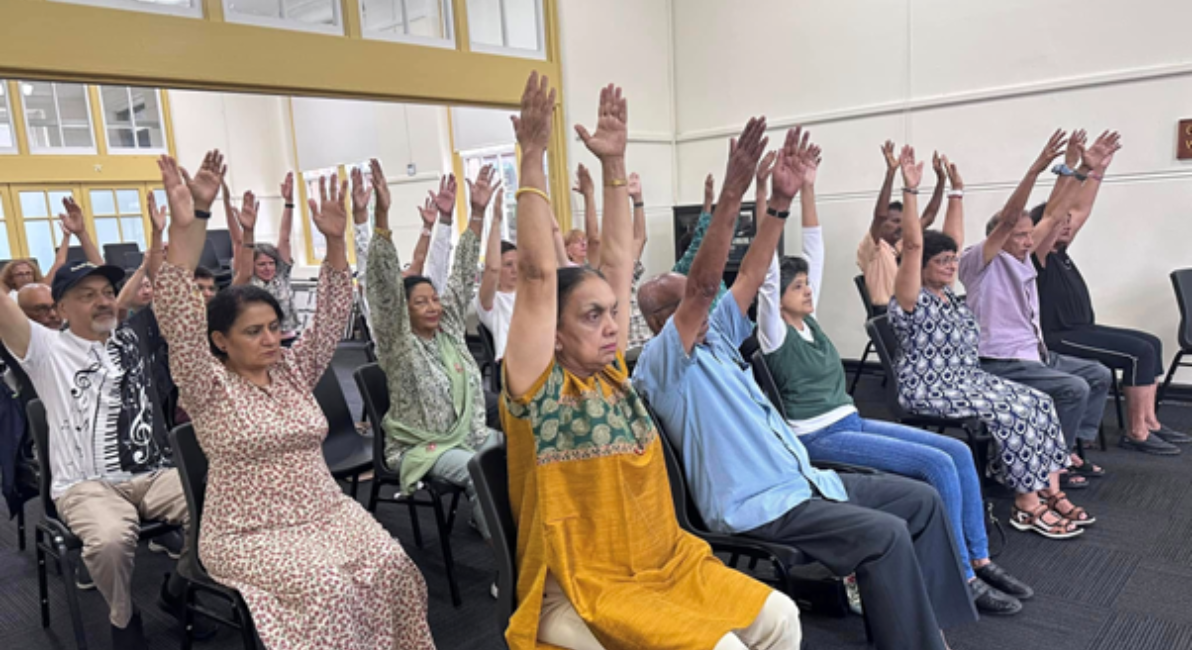
- Balance and coordination exercises, like tai chi, reduce fall risk.
- Water-based exercises improve muscle and bone health, even without weight-bearing.
- Stretching maintains joint flexibility and mobility.
Before starting any new exercise program, consult a doctor—especially if you have osteoporosis or other chronic conditions. Staying active is one of the best ways to maintain strength, prevent injuries, and enjoy a healthier life as you age.